Galvanized Pipe and Lead in Costa Mesa Homes: What Older Owners Should Know

Galvanized steel pipe is not made of lead, but older galvanized lines can collect lead from upstream sources and release it later. Here is what that means for Costa…
A lot of Costa Mesa grew up quickly in the 1950s and 1960s, and many homes from that period were built with galvanized steel water pipe. Some have been repiped since. Others still have original galvanized lines, or a mix of galvanized and later copper. If you own one of these homes, you may have read that galvanized pipe and lead are connected. The relationship is real, but it is often misunderstood.
Galvanized pipe is not lead pipe
Galvanized pipe is steel coated with zinc to slow rusting. The zinc coating used decades ago could contain small amounts of lead as an impurity, but the pipe itself is steel. The bigger concern is what happens inside the pipe over time.
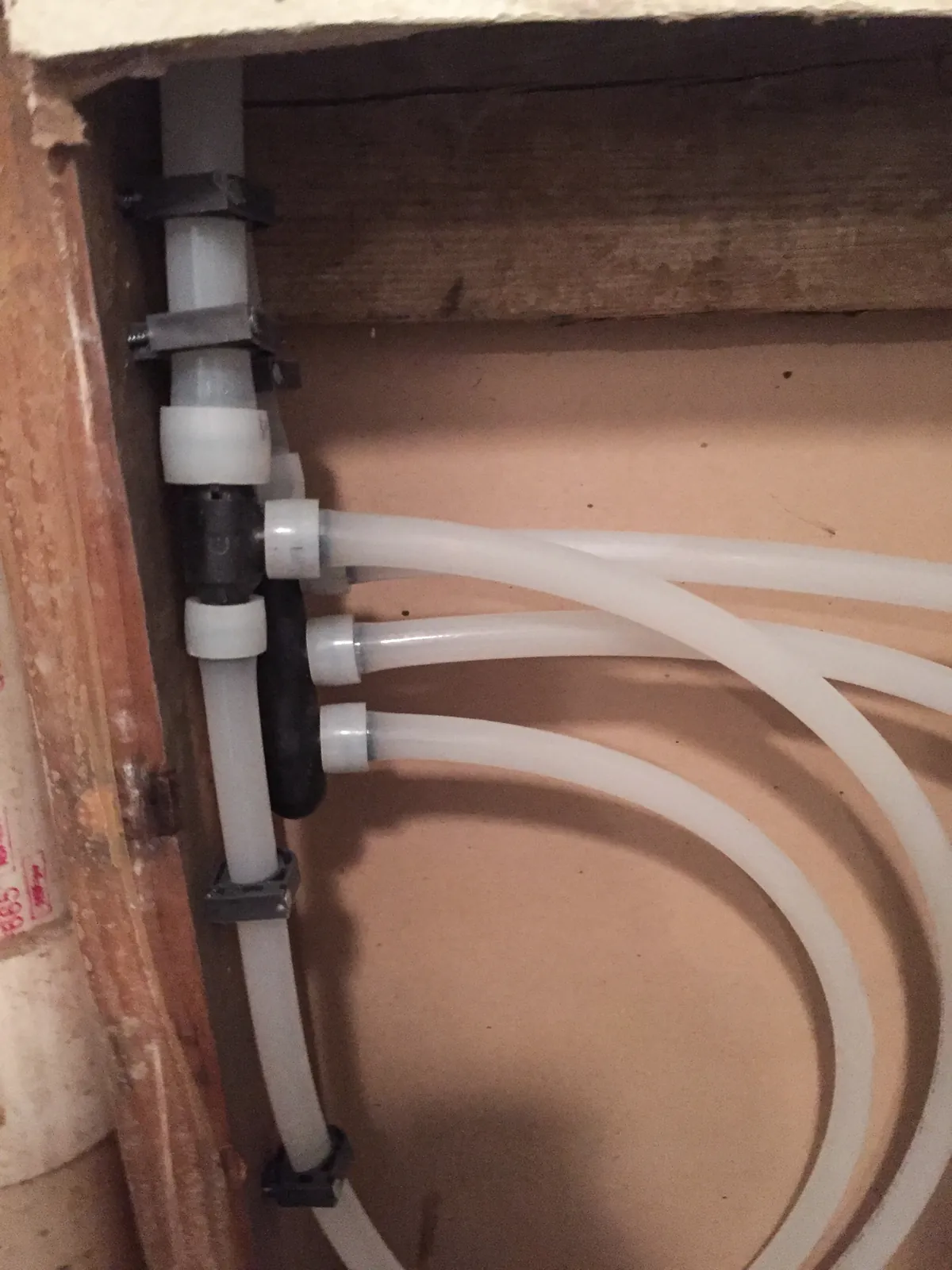
How lead ends up in galvanized lines
As galvanized pipe ages, the inside wall corrodes and builds up a rough layer of rust and scale. That rough surface can capture lead that travels from upstream, such as an old lead service connection, a lead gooseneck, or lead solder on nearby copper. Later, changes in water chemistry, construction on a water main or simple vibration can release some of that captured material back into the water.
Because of this, federal drinking water rules treat galvanized lines that are, or once were, downstream of a lead source as something water systems need to identify.
Signs your home may still have galvanized pipe
- Gray, threaded pipe where lines enter the house or at the water heater.
- Low pressure that has slowly gotten worse over the years.
- Brown or rusty water after the water has been off.
- A magnet sticks firmly to the pipe (copper and plastic will not attract a magnet).
What you can do now
- Ask your water provider whether its records show the material of the service line to your home.
- Run the cold water for a minute or two after it has sat overnight before using it for drinking or cooking.
- Use cold water, not hot, for anything you drink or cook with.
- Consider having your water tested by a certified laboratory if you are concerned.
- Clean faucet aerators, which can trap small particles.
Long-term options
Testing and flushing reduce exposure, but they do not change what is inside the walls. Replacing old galvanized supply lines with new piping removes the rough interior surface that holds onto sediment. Many owners of 1950s and 1960s Costa Mesa homes plan that work alongside a kitchen or bathroom remodel.
Quick takeaways
- Galvanized pipe is steel, but it can trap lead from upstream sources.
- Rough, corroded interiors are what hold onto lead and rust.
- A magnet test helps identify galvanized pipe.
- Testing, flushing and cold-water use are sensible short-term steps.
Related reading
On this site, see plumbing in 1960s homes and cast iron vs galvanized pipe. Neighbors can visit Newport Beach, Irvine and Tustin, or browse every city at repipeinc.com.
Still have galvanized pipe?
Request a free quote to have a licensed C-36 contractor look at the supply piping in your Costa Mesa home. Get my free quote. Our AI system alerts a technician instantly, so you get a fast callback.
Repipe OC, 23821 Hillhurst Drive, Laguna Niguel, CA 92677, (949) 524-2362, CSLB #1087885 C-36.
Repipe OC near you
Not in Costa Mesa? The same crew serves nearby cities. See every city we serve, or jump to a neighboring city:
 Written by Repipe OC · CSLB #1087885 C-36 · 23821 Hillhurst Drive, Laguna Niguel, CA 92677 · (949) 524-2362