Garage Conversion Plumbing in Costa Mesa: Water, Drains and What to Plan First
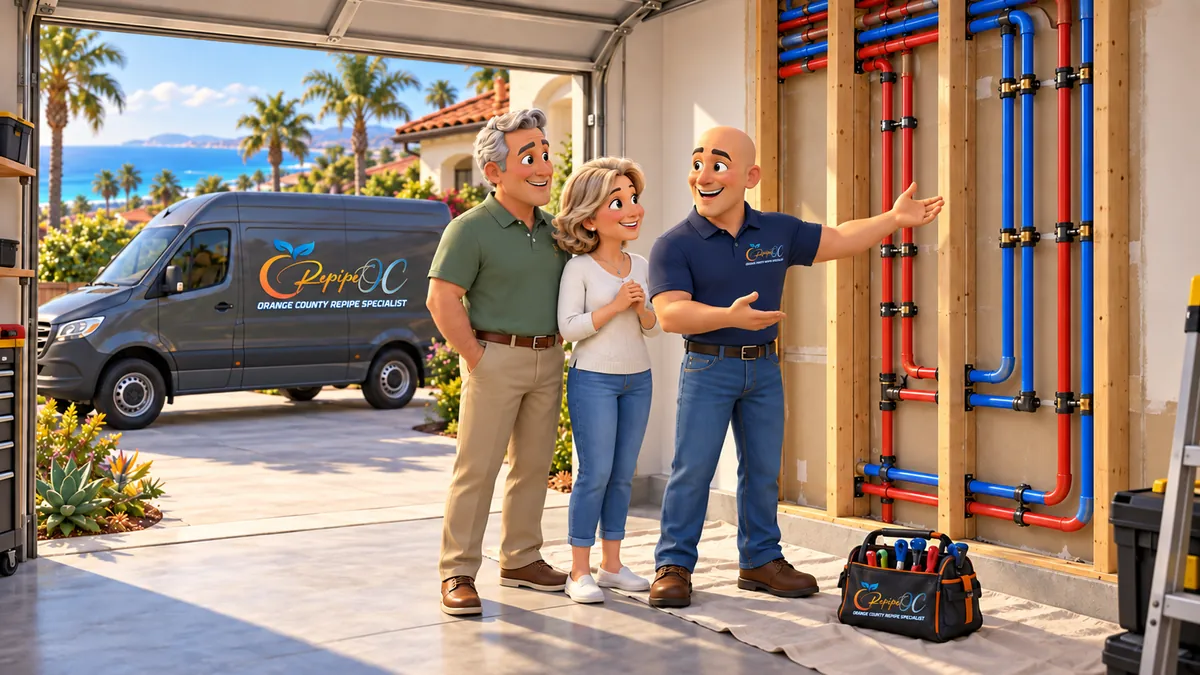
Turning a garage into living space often means adding a bathroom or kitchenette. Here is what Costa Mesa homeowners should plan for on the plumbing side before…
Converting a garage into a guest suite, home office or rental unit has become common as California has made accessory dwelling units easier to permit. The framing and finishes get most of the attention, but Costa Mesa garage conversion plumbing is often what shapes the budget and the floor plan. Planning garage conversion plumbing in Costa Mesa early helps you avoid tearing out new work later.
Start with what the garage already has
Most garages contain more plumbing than people realize. The water heater may sit on a platform in a corner, the main water line may enter through the garage wall, and a laundry hookup or utility sink may already be there. Some garages also carry gas lines, a hose bib, or the house's main cleanout. Before drawing a floor plan, walk the space and note every pipe, valve and meter. Each one either needs to stay accessible, be relocated or be enclosed in a way the building code allows.
Water supply: size and route
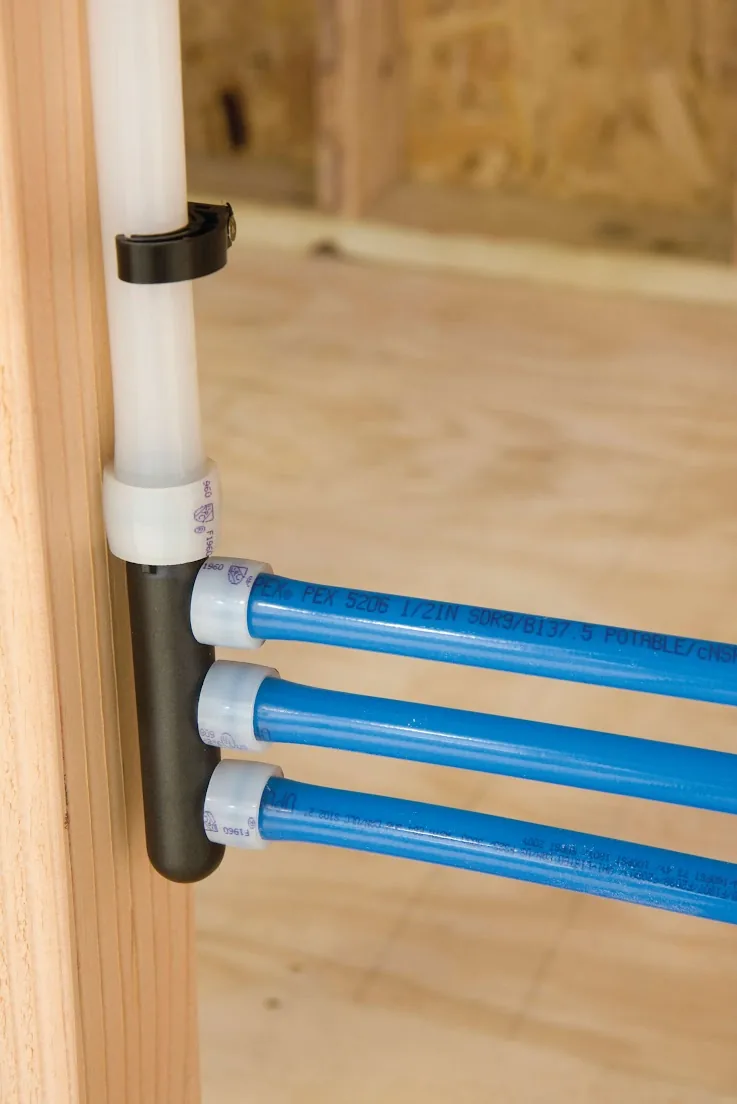
A new bathroom or kitchenette adds fixtures to a system that was sized for the original house. If the home still has its original galvanized or aging copper lines, the new space may get weak flow, especially when someone showers in the main house at the same time. A plumber can look at the size of the main line, the water pressure and the condition of the existing pipe to judge whether the new fixtures can be fed from a nearby branch or need a new line from closer to the meter.
Routing matters too. Garage slabs are usually poured directly on grade, so running supply lines under the floor means cutting concrete. Many conversions run new supply piping through walls or the ceiling instead, which keeps the slab intact.
Drains are the harder part
Water lines are flexible. Drains are not. A toilet, shower and sink need properly sloped drain lines that tie into the home's sewer or a separate lateral, along with vents that let them drain freely. In many garages the slab sits lower than the house, and the nearest sewer connection may be on the other side of the structure. That combination can mean trenching through the slab, and in some cases a pumped system. Confirming the location and depth of the sewer line before finalizing the layout is one of the most useful early steps.
Garage conversion plumbing in Costa Mesa neighborhoods
Costa Mesa has a large stock of single-story homes from the 1950s and 1960s in areas like Mesa Verde, the Eastside, College Park and Halecrest. Many sit on modest lots with detached or attached two-car garages, which makes them natural candidates for a conversion. Homes of that age often have older galvanized steel or early copper supply lines and cast iron or clay drains, so the new unit may be tying into piping that is sixty or seventy years old. A camera inspection of the sewer lateral and a check of the supply lines can show whether the old system is ready to take on another bathroom.
Westside homes and duplex lots may have their own quirks, such as shared lines or past additions with undocumented work. Pull any permit history you can find from the city before you design.
Permits, inspections and the water heater
Conversions in California require building permits, and plumbing work is inspected along with framing, electrical and energy items. If the water heater lives in the garage now, the plan has to address it: it may stay in a dedicated closet with proper combustion air and venting, move outside to an approved enclosure, or be replaced with a different type. Tankless and heat pump units each bring their own venting, electrical and drainage requirements.
Parking replacement, setbacks and utility separation rules are set by the state and the city and change from time to time, so confirm current rules with Costa Mesa's planning and building staff early in the process.
Planning tips that save trouble
- Locate the sewer line and its depth before choosing where the bathroom goes.
- Stack wet areas back to back so they share drain and vent routes.
- Keep the main shutoff and water heater accessible, or plan their relocation.
- Ask whether the existing supply lines can handle the added fixtures.
Owners who map these points first usually find that Costa Mesa garage conversion plumbing becomes a straightforward part of the project rather than a surprise.
Quick takeaways
- Inventory every pipe, valve and meter in the garage first.
- Drains and vents drive the layout more than water lines do.
- Older homes may need supply or sewer work before adding fixtures.
- Confirm permit and ADU rules with the city before design is final.
Related reading
On this site, see ADU plumbing and partial repipes. Neighbors can visit Newport Beach, Irvine and Tustin, or browse every city at repipeinc.com.
Planning garage conversion plumbing in Costa Mesa?
Request a free quote and talk with a licensed C-36 plumbing contractor about the water lines that will feed your new space. Get my free quote. Our AI system alerts a technician instantly, so you get a fast callback.
Repipe OC, 23821 Hillhurst Drive, Laguna Niguel, CA 92677, (949) 524-2362, CSLB #1087885 C-36.
Repipe OC near you
Not in Costa Mesa? The same crew serves nearby cities. See every city we serve, or jump to a neighboring city:
 Written by Repipe OC · CSLB #1087885 C-36 · 23821 Hillhurst Drive, Laguna Niguel, CA 92677 · (949) 524-2362