Brass Fitting Corrosion in Costa Mesa Homes: Understanding Dezincification
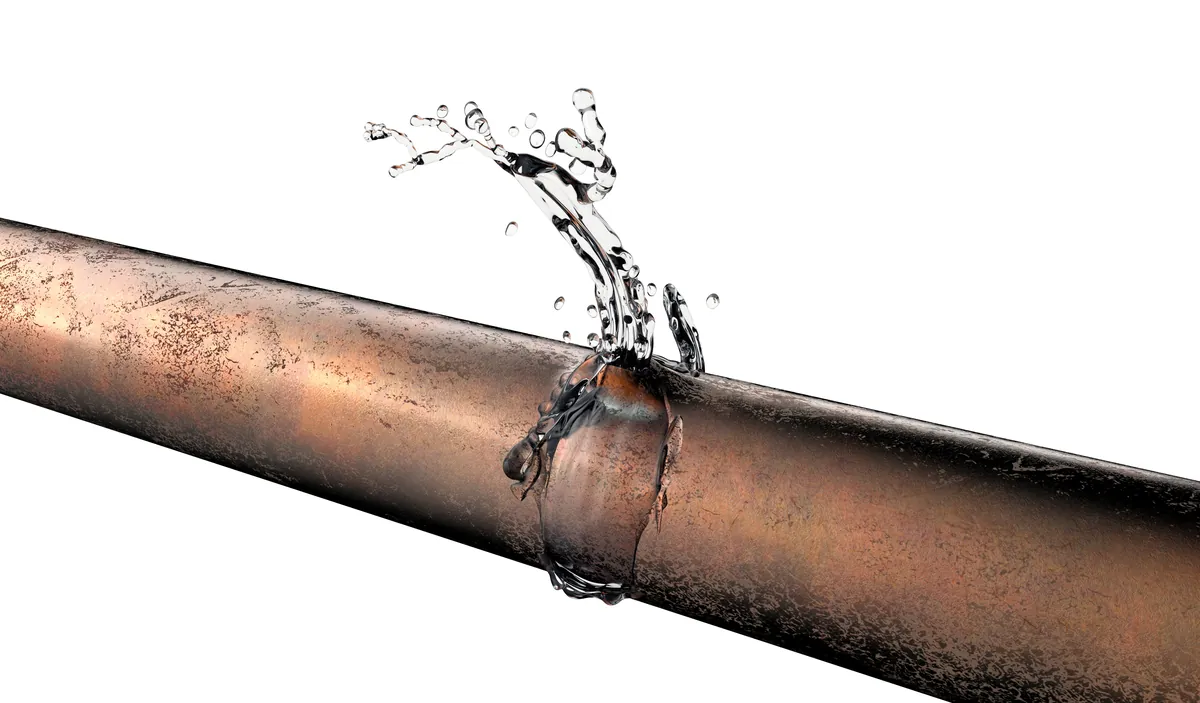
Some brass fittings slowly lose zinc and turn weak and porous. Here is how Costa Mesa homeowners can recognize dezincification and what it can mean for older plumbing.
Brass looks tough, and most of the time it is. Under certain water conditions, though, some brass alloys slowly lose their zinc and leave behind a weak, spongy shell of copper. The process is called dezincification, and it can turn a solid fitting into a leak waiting to happen. This guide covers Costa Mesa brass fitting corrosion, what causes it and what homeowners can watch for. If you have spotted white crust or weeping at a valve, it may be brass fitting corrosion in Costa Mesa plumbing that deserves a closer look.
What dezincification is
Brass is an alloy made mostly of copper and zinc. In some water conditions, the zinc dissolves out of the metal over time. What remains is porous copper that keeps roughly the original shape but has lost much of its strength. Fittings affected this way can crack, weep or break when someone turns a valve or a pipe shifts.
Not all brass behaves the same. Alloys with higher zinc content are generally more prone to the problem. Some fittings are made with dezincification-resistant brass, often marked with a DZR stamp, which is designed to hold up better in aggressive water.
Where it tends to show up
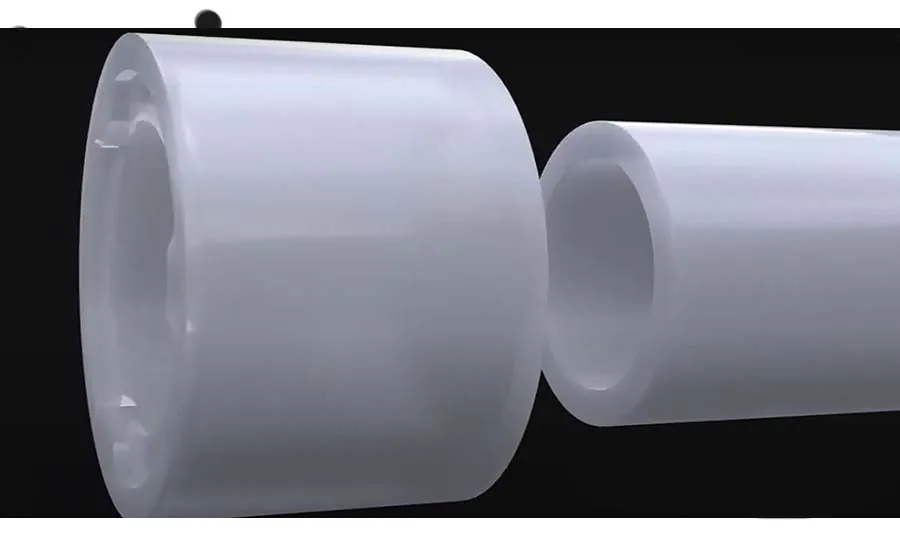
Dezincification is most common in fittings that stay in contact with water all the time. Typical locations include:
- Shutoff valves under sinks and behind toilets.
- Water heater connections and nipples.
- Hose bibs and outdoor valves.
- Transition fittings where different pipe materials meet.
- Older compression and threaded brass connectors.
Because these parts often sit in cabinets or behind access panels, early signs can go unnoticed for years.
Warning signs to look for
The classic sign is a white, chalky or crusty deposit on the outside of a brass fitting. That crust is mostly zinc compounds that have worked their way out of the metal. Other clues include pinkish or coppery patches on a fitting that used to look yellow, slow drips at threads, and valves that feel gritty or break when turned.
If you see a crusty fitting, avoid forcing it. A weakened valve can snap, and a sudden leak is much harder to manage than a planned replacement.
Why water chemistry matters
Water with certain chemical traits can speed the loss of zinc from brass. Factors often mentioned include high chloride levels, low hardness and specific pH ranges. Water temperature plays a role too, since warmer water can make many corrosion processes move faster. Your local water quality report lists many of these values, and a plumber or water treatment specialist can help you understand what they mean for your fittings.
Repair or replace?
When only one valve shows crust, replacing that part may be all that is needed. When several fittings around the house show the same signs, the pattern suggests the water is working on brass throughout the system. In that case, homeowners often ask whether nearby piping is aging too. A licensed plumber can look at the fittings, the pipe they connect to and the age of the system before recommending a path.
Brass fitting corrosion in Costa Mesa homes
Costa Mesa has a large number of homes built in the 1950s and 1960s, from the Eastside and College Park to Mesa Verde and the neighborhoods around Fairview Park. Many of these houses have had partial updates over the years, so it is common to find a mix of original galvanized or copper pipe with brass valves and fittings added during later repairs. Each transition is another place where corrosion can begin.
Homeowners here who are already planning a remodel, a water heater replacement or a partial repipe often use that moment to have older fittings evaluated. Permits from the city apply to many plumbing changes, and a licensed contractor can explain which work needs one.
What to do if you find it
Start by noting where the crusty fittings are and taking photos. If a valve is weeping, place a container under it and check it daily. Avoid tightening or turning weakened parts. A licensed plumbing contractor can tell you whether a single fitting should be replaced or whether the pattern points to broader aging in the system.
A small part with big consequences
A single fitting is easy to overlook, but it can cause serious water damage when it fails. Paying attention to early signs of Costa Mesa brass fitting corrosion helps homeowners plan repairs on their own schedule instead of during an emergency.
Quick takeaways
- Dezincification pulls zinc out of brass and leaves weak copper behind.
- White crust on a brass fitting is the most common warning sign.
- Water chemistry and temperature affect how fast it happens.
- Do not force a crusty valve; have it evaluated first.
Related reading
On this site, see pinhole leaks in copper pipe and threaded pipe joint leaks. Neighbors can visit Newport Beach, Irvine and Tustin, or browse every city at repipeinc.com.
Concerned about brass fitting corrosion in Costa Mesa?
Request a free quote and talk with a licensed C-36 plumbing contractor about the valves and fittings in your home. Get my free quote. Our AI system alerts a technician instantly, so you get a fast callback.
Repipe OC, 23821 Hillhurst Drive, Laguna Niguel, CA 92677, (949) 524-2362, CSLB #1087885 C-36.
Repipe OC near you
Not in Costa Mesa? The same crew serves nearby cities. See all Orange County service areas at repipeinc.com, or jump to a neighboring city:
 Written by Repipe OC · CSLB #1087885 C-36 · 23821 Hillhurst Drive, Laguna Niguel, CA 92677 · (949) 524-2362