What Is CPVC Pipe? A Guide for Costa Mesa Homeowners
CPVC is a rigid cream or tan plastic pipe used for water lines. Here is what Costa Mesa owners should know about its strengths, limits and age.
CPVC shows up in inspection reports, remodel notes and home listings, often without much explanation. It is a rigid plastic pipe used for hot and cold water in many homes built or updated from the 1980s onward. This guide explains the material in plain terms so Costa Mesa CPVC pipe is easy to recognize and understand. Costa Mesa has plenty of mid-century houses that were remodeled over the years, so CPVC pipe in Costa Mesa is often found in additions, updated bathrooms and renovated kitchens rather than in the original house.
What CPVC stands for
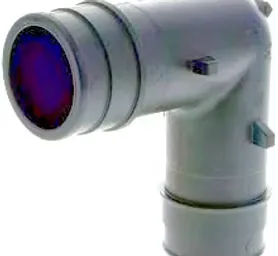
CPVC is chlorinated polyvinyl chloride. It starts as the same family of plastic as white PVC drain pipe, then goes through chlorination that raises its temperature rating so it can carry hot water. It is usually cream, off-white or light tan and is rigid rather than flexible. It is cut with a tubing cutter or saw and joined with solvent cement, a primer-and-glue process that chemically welds the fittings to the pipe.
Testing and inspecting what you have
If you are unsure whether a line is CPVC, a plumber can confirm by looking at markings and fittings. Lines near the water heater deserve extra attention, because heat and vibration are hardest on rigid plastic there. A simple pressure gauge reading can also show whether high pressure is adding stress. Taking photos of any cracks, discoloration or odd fittings gives a contractor useful information before anyone opens a wall.
How to recognize it
Look at exposed pipe near the water heater, under sinks, in the garage or in an attic. CPVC is smooth, light in color and has printing along its length that includes the letters CPVC, the size and a temperature and pressure rating. Copper is metallic and cool to the touch. Galvanized steel is gray, threaded and often rusty. If printing is hard to read, notes from an older inspection or permit may help.
Strengths
CPVC does not corrode the way some metal pipe can, so it does not develop pinholes from the inside. It is light, easy to cut and inexpensive to buy, which is why it was widely used in new construction and remodels for decades. It also insulates better than metal, so hot lines lose less heat and cold lines sweat less.
Limits and aging
CPVC becomes more brittle with age and exposure to heat. Pipes in hot attics, near water heaters or in sunny exposed spots can crack or split. Over-tightened threaded adapters and poorly cured solvent joints are other common sources of leaks. Water hammer and high pressure add stress to rigid pipe and its fittings. Some brands and batches of fittings and pipe have been involved in recalls or lawsuits, so owners with older CPVC sometimes choose to have it inspected closely.
How it compares to other materials
Compared with copper, CPVC is lighter and does not conduct heat, but it is less tolerant of impacts and temperature extremes. Compared with PEX, it is stiffer, needs more fittings around corners and cannot bend through framing. Each material has strengths, and the right choice depends on the home, the water conditions and the budget.
CPVC pipe in Costa Mesa houses
Many Costa Mesa neighborhoods, including the Eastside, Westside, Mesa Verde and College Park, were developed in the 1940s through the 1970s. The original water lines in those homes were often galvanized steel or copper, and CPVC commonly appears where owners added bathrooms, converted garages or built accessory dwelling units. That means a single house may have three pipe materials joined with transition fittings. When several materials share a wall, it helps to know which lines are original and which were added later, because they age differently. Costa Mesa permit files at City Hall can sometimes show when additions were built.
Signs to watch
Watch for damp drywall near joints, drips at threaded adapters, brittle cracks in the pipe, or a sudden drop in pressure in an addition. Any wet spot in a wall deserves attention soon, since slow leaks can feed mold and rot long before a stain appears.
A practical summary
CPVC is a rigid, corrosion-resistant plastic pipe that is common in homes updated from the 1980s forward. Knowing how to spot it and understanding its limits helps you read inspection notes and plan updates. For homeowners comparing options, understanding Costa Mesa CPVC pipe and how CPVC pipe in Costa Mesa behaves as it ages makes it easier to decide when to monitor the pipe and when to replace it.
Quick takeaways
- CPVC is rigid cream or tan plastic joined with solvent cement.
- It does not corrode but can become brittle with age and heat.
- Additions and remodels are the most common places to find it.
- Look for cracks, drips at joints and damp drywall.
Related reading
On this site, see copper pinhole leaks and PEX vs PVC. Neighbors can visit Newport Beach, Irvine and Tustin, or browse every city at repipeinc.com.
Questions about CPVC pipe in Costa Mesa?
Request a free quote and talk with a licensed C-36 plumbing contractor about your home. Get my free quote. Our AI system alerts a technician instantly, so you get a fast callback.
Repipe OC, 23821 Hillhurst Drive, Laguna Niguel, CA 92677, (949) 524-2362, CSLB #1087885 C-36.
Repipe OC near you
Not in Costa Mesa? The same crew serves nearby cities. See every city we serve, or jump to a neighboring city:
 Written by Repipe OC · CSLB #1087885 C-36 · 23821 Hillhurst Drive, Laguna Niguel, CA 92677 · (949) 524-2362