Costa Mesa Rinnai Tankless Water Heater Installation: What a Proper Job Includes
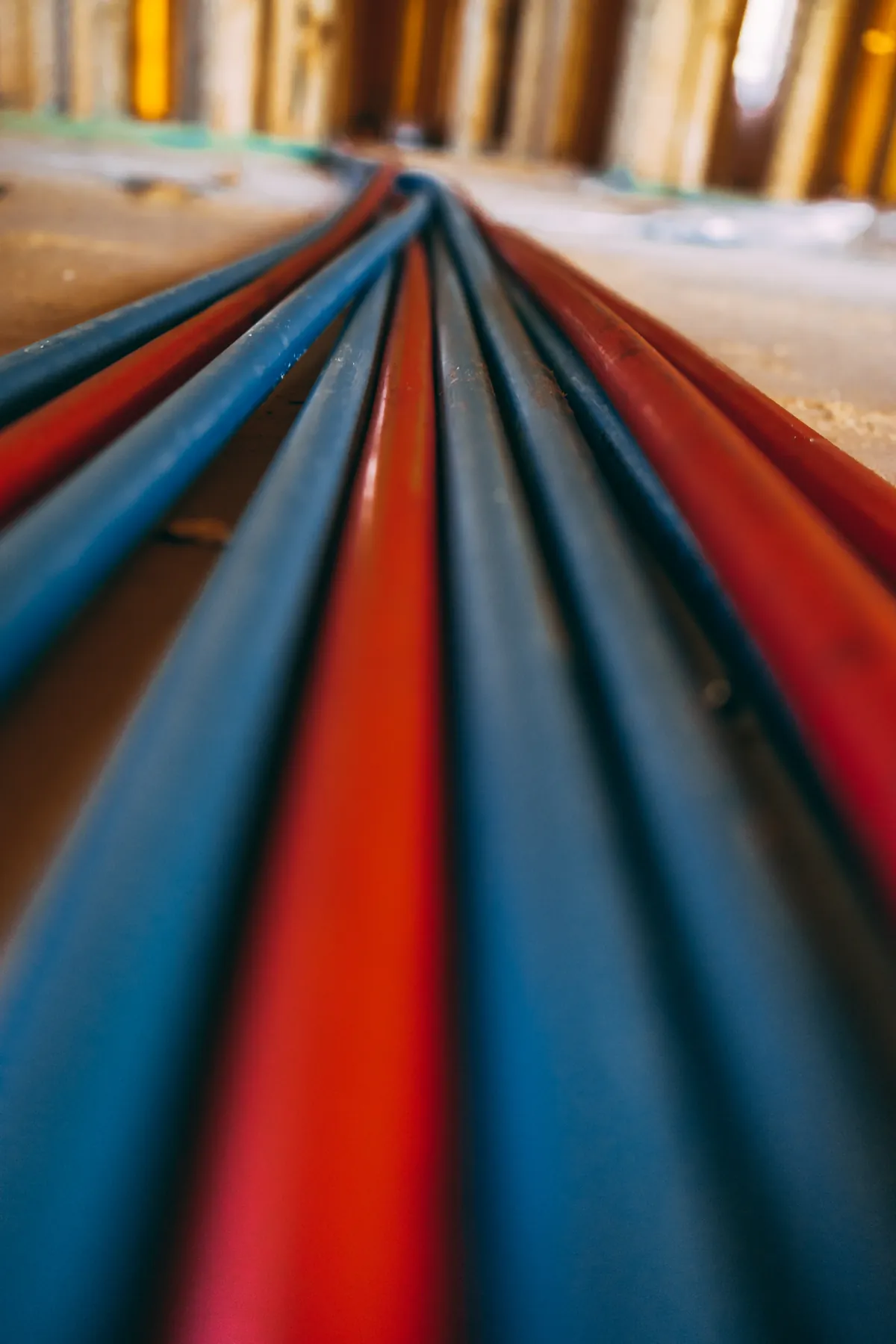
A practical Costa Mesa guide to Rinnai tankless installation: sizing by flow, permits, descaling, and whether your old pipes should be replaced too.
Replacing a tank with a tankless heater is one of the most common upgrades we quote in Costa Mesa, and Rinnai is usually the brand on the homeowner's list. Many Costa Mesa homes were built in the 1950s and 60s with small gas branches and aging galvanized or copper, so a Rinnai upgrade often starts with the infrastructure.
Here is what to expect from a Rinnai tankless water heater installation, what to ask before you book, and how the project connects to the condition of your plumbing.
Local factors in Costa Mesa
Water from Mesa Water District carries enough minerals that descaling should be part of any tankless plan in Costa Mesa. Neighborhoods such as Eastside Costa Mesa, Westside Costa Mesa, Mesa Verde, College Park were built across different eras, so gas branch size, heater location, and pipe material vary from one street to the next.
On a Costa Mesa estimate we confirm the gas run, mark the vent or mounting spot, and check the visible supply piping before recommending a Rinnai model.
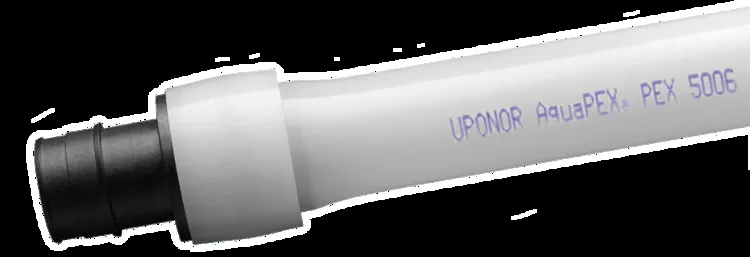
Why the install matters as much as the Rinnai badge
Rinnai is one of the most requested tankless brands in Southern California, and for good reason: compact units, endless hot water on demand, and condensing models that squeeze more heat out of every therm. But a Rinnai tankless water heater installation only performs as well as the gas line, venting, and water piping behind it. An undersized gas supply or a sloppy vent run can make a premium unit short-cycle, throw error codes, or deliver lukewarm showers.
That is why we treat the heater as one part of a system. Gas capacity, vent routing, condensate handling, isolation valves, and the condition of the supply pipes all get checked before the old tank comes out.
Signs your pipes should be part of the conversation
| What you notice | What it may point to |
|---|---|
| Past pinhole leaks in copper | Systemic wear likely elsewhere |
| Rusty or brown water at startup | Corroding galvanized supply |
| Gray plastic supply lines | Polybutylene that should be replaced |
| Weak pressure at several fixtures | Restricted or undersized lines |
Any of these is worth discussing before the new heater goes on the wall.
Indoor, outdoor, and the models in between
- Outdoor wall-mount: no vent pipe through the roof or wall; needs clearances from windows, doors, and property lines
- Indoor condensing: high efficiency, PVC-style venting, condensate drain required
- Indoor non-condensing: fewer drain concerns, but venting must be rated for the exhaust temperature
- Built-in recirculation models: some Rinnai units include an internal pump for faster hot water at distant fixtures
The right pick depends on where your current tank sits, how far the farthest bathroom is, and what your HOA allows on exterior walls.
Costa Mesa install notes
Mesa Verde and Eastside homes built in the postwar years often have galvanized supply lines and a gas branch sized for a 40-gallon tank. We usually recommend checking the water lines before investing in a premium heater, since corrosion debris can foul a tankless inlet screen. College Park and Westside homes vary, so each estimate starts with a walkthrough.
What happens on install day
Most straightforward swaps take a single day; installs with gas upsizing, new venting routes, or a repipe take longer. A typical sequence is: protect floors, shut off gas and water, remove the old tank, mount the Rinnai, connect gas, water, venting, power, and drain, then purge air, fire the unit, and check temperatures and gas pressure under load.
Before we leave, we walk you through the controller, the isolation valves, and what a future flush looks like.
Gas line sizing: the step that makes or breaks the install
A tank water heater sips gas steadily. A tankless unit draws a large amount for short bursts, and Rinnai's larger residential models are rated near 199,000 BTU per hour. Many existing half-inch gas branches cannot deliver that while the furnace and range are also running. The result is error codes, flame failure, or water that never quite gets hot.
Before installing, we check pipe size, length of run, meter capacity, and what other appliances share the line. If an upsized branch or a larger meter request is needed, it goes into the written scope so there are no surprises on install day.
Sizing by flow, not by square footage
Tankless units are sized by how many gallons per minute of hot water you need at once and how much the incoming water has to be heated. A two-bath condo and a five-bath home on the same street need very different units. We count showers, tubs, and appliances that may run together, then pick a model with headroom without overbuying.
If you have a large soaking tub or multiple shower heads, mention it at the estimate—those fixtures drive sizing more than anything else.
Before you book: four things to know
- Rinnai makes indoor and outdoor, condensing and non-condensing models—location drives the choice.
- Gas capacity is checked first; upgrades are listed in the estimate.
- Permits and inspection are included in a proper install.
- Old copper, galvanized, or polybutylene lines may be worth replacing at the same time.
Next step for Costa Mesa homeowners
Ready to plan a Rinnai tankless water heater installation at your Costa Mesa home? Call (949) 524-2362 or email [email protected] for a free quote. Repipe OC, 23821 Hillhurst Drive, Laguna Niguel, CA 92677. CSLB #1087885 C-36.
Repipe OC near you
Not in Costa Mesa? The same crew serves nearby cities. See every city we serve, or jump to a neighboring city:
 Written by Repipe OC · CSLB #1087885 C-36 · 23821 Hillhurst Drive, Laguna Niguel, CA 92677 · (949) 524-2362